What to know about bulky rubbish collection Highbury
Posted on 31/07/2026
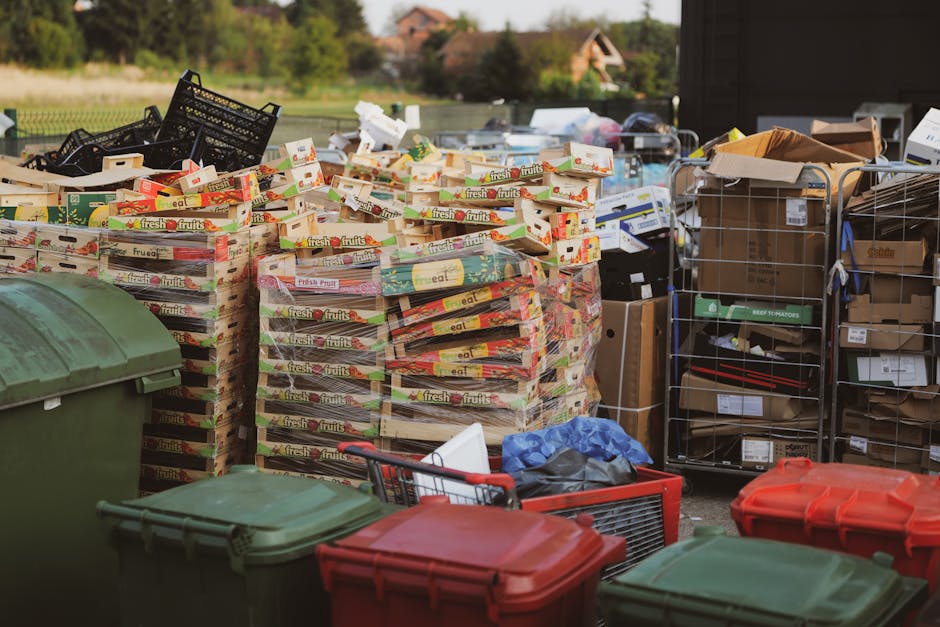
Bulky rubbish has a habit of sitting in the corner and quietly becoming someone else's problem tomorrow. A broken wardrobe, an old sofa, a mattress that no longer feels worth keeping, or leftover fittings from a home refresh can all build up fast. If you are looking into bulky rubbish collection Highbury, the main thing to know is this: the job is usually simpler, quicker, and less stressful when you understand what counts as bulky waste, how collection normally works, and what to prepare before the team arrives.
This guide walks through the practical bits people often wish they had known sooner. You will see what bulky rubbish collection actually covers, who it suits, what to check before booking, and how to avoid the usual mistakes. It also touches on cost expectations, compliance, and a few local considerations that matter in a busy London area like Highbury. Let's make it straightforward.
- Why bulky rubbish collection matters in Highbury
- How bulky rubbish collection works
- Key benefits and practical advantages
- Who needs this service and when it makes sense
- Step-by-step guidance
- Expert tips for better results
- Common mistakes to avoid
- Tools, resources and recommendations
- Law, compliance, standards and best practice
- Options and comparison table
- Case study or real-world example
- Practical checklist
- Conclusion
- Frequently asked questions
Why What to know about bulky rubbish collection Highbury Matters
Highbury has that very London mix of compact homes, shared entrances, narrow staircases, and limited outside space. Nice to live in, yes. Convenient for storing a dead sofa? Not really. That is exactly why bulky rubbish collection matters here more than many people expect.
Bulky waste is not just "stuff that is big." It is the kind of item that is awkward to move, awkward to lift, and awkward to get rid of responsibly. Think wardrobes, bookcases, beds, divan bases, exercise equipment, tables, office desks, old white goods, and furniture that has reached the end of the road. If you leave it too long, it becomes a clutter issue, a fire escape issue, and sometimes a neighbour-relations issue. In flats and terraces, those things can spill into hallways or shared areas quickly, which nobody wants.
There is also the simple reality of time. Most people in Highbury do not have a spare van, two strong friends, and half a Saturday to spend dragging a heavy item through traffic and parking restrictions. Bulky rubbish collection is useful because it removes the stress of organising transport, loading items safely, and finding the right disposal route. It is one of those services that sounds basic until you need it, then suddenly it feels essential.
It also supports better recycling outcomes when handled by a responsible operator. Furniture, metal, wood, textiles, and electrical items can often be sorted rather than sent straight to waste. That does not mean everything can be reused or recycled, but it does mean a proper collection is usually better than a rushed DIY dump-and-run.
Expert summary: The real value of bulky rubbish collection is not just "getting rid of things." It is getting rid of them safely, legally, and without turning your week into a lifting competition.
If you are also weighing up larger clearance needs, it can help to look at broader options such as house clearance in Highbury or even a more general waste collection service depending on how much needs to go.
How What to know about bulky rubbish collection Highbury Works
In most cases, bulky rubbish collection follows a fairly simple pattern. You describe what needs removing, the collection team estimates the volume and access, you agree a price or quote, and the items are removed on the arranged date. Some jobs are straightforward. Others, to be fair, get a bit fiddly because of stairs, parking, or heavy items that need two-person lifting.
The most common step is the assessment. That can happen from photos, a description, or a short site visit for larger jobs. The team will want to know what the items are, how many there are, where they are located, and whether they can be carried straight out or need dismantling first. A wardrobe on a ground floor with clear access is one thing. A wardrobe wedged into a top-floor flat with a tight staircase is another.
Collection day is usually quick if the access is clear. The crew should remove the items, load them safely, and leave the area tidy. If the waste includes reusable or recyclable materials, it may be separated for sorting. If it includes electrical items, those are usually handled differently because of disposal rules and component recovery.
One detail people miss: the service is often more about access than weight. A bulky chair may not weigh much, but if it is oversized and difficult to get out, it still counts as awkward waste. That is why accurate descriptions matter. It saves time on both sides and helps avoid surprises when the team arrives.
For anyone comparing different removal jobs, furniture-specific services like furniture disposal in Highbury can be a better fit if the main issue is a sofa, bed, or mixed household furniture. If the bulky waste comes from a work setting, you may be better looking at office clearance in Highbury or the more specific guidance in business and commercial rubbish collection for Highbury offices.
Key Benefits and Practical Advantages
The obvious benefit is convenience. But there are a few others that matter just as much, especially in a place where space is tight and schedules are full.
- Less physical strain: You do not need to haul heavy furniture down stairs or risk injury trying to do it solo.
- Faster clearance: A booked collection can clear a room in one visit instead of leaving the item hanging around for weeks.
- Safer handling: Large items can damage walls, floors, or lifts if moved carelessly. A proper team reduces that risk.
- Better compliance: Waste is more likely to be sorted and disposed of correctly.
- More usable space: Once the bulky item is gone, the room suddenly feels bigger. You notice it immediately.
- Less hassle with transport: No van hire, no parking headache, no awkward loading in the rain.
That last point is not small. If you have ever tried getting a mattress into a vehicle in London traffic, you already know the mood shift. One minute you are optimistic; the next you are negotiating with a spring that has entirely different plans.
There is also a practical resale or refresh benefit. A clear room is easier to clean, decorate, photograph, or repurpose. That is why bulky rubbish collection often comes up during moves, refurbishments, end-of-tenancy clear-outs, and downsizing. It is not just waste removal. It is space recovery.
For a wider view of how services fit together, you can also browse the broader services overview or compare it with builders waste disposal in Highbury if the bulky items came from renovation work rather than household decluttering.
Who This Is For and When It Makes Sense
Bulky rubbish collection is useful for a lot of people, but it is not always the first thing everyone thinks of. In practice, it suits several common situations.
- Homeowners and renters clearing one or two large items after replacing furniture.
- People moving home who do not want to transport broken or unwanted pieces to the next property.
- Landlords and letting agents dealing with leftover furniture after a tenancy ends.
- Businesses removing bulky office furniture, shelving, desks, or old equipment.
- Anyone renovating and needing to remove large items before works begin.
- Families downsizing and sorting through old pieces that have been in storage far too long.
It makes particular sense when the item is too large for standard wheelie-bin disposal, too heavy for a quick DIY move, or too awkward to recycle through normal household channels. Sometimes a local resident just wants the job done quickly because the living room is starting to look like a storage unit. Fair enough.
On the other hand, if you only have one lightweight item and access is simple, it may be worth comparing a basic collection with a larger booking. A little judgement goes a long way here. For same-week or urgent situations, some people also look at same-day rubbish collection in Highbury Fields or cheap rubbish removal with same-week quotes to see what timing and budget might suit them.
Step-by-Step Guidance
If you want a smooth bulky waste collection, a little prep makes a big difference. Here is the practical version.
- List the items clearly. Write down what you want removed. Include type, quantity, and whether anything is especially heavy or fragile.
- Check access. Note stairs, lifts, parking restrictions, and whether there is a loading bay or narrow entrance. This matters more than people think.
- Separate what can stay. Move items you want to keep out of the way. It sounds obvious, but mix-ups happen when rooms are packed.
- Ask about dismantling. If a bed frame or wardrobe needs to come apart first, say so in advance.
- Confirm what is included. Make sure the quote covers labour, loading, disposal, and any access issues that may affect the price.
- Prepare the route. Clear hallways and doorways if possible. This speeds things up and reduces the risk of scuffs.
- Be available at collection time. A short walkthrough before the team starts can prevent mistakes. Five minutes here can save a lot of hassle later.
If you are clearing several room types at once, it can be helpful to group items by category: furniture, mixed household waste, office items, garden debris, and electricals. That makes it easier to choose between a dedicated bulky collection and a more general clearance route such as garden waste removal in Highbury or a broader domestic clearance.
One small but useful tip: take photos before booking. Not glamorous, I know. But a couple of pictures from different angles often help get a better estimate than a paragraph of text ever will.
Expert Tips for Better Results
Here are the things that tend to make collections go much better in real life, not just on paper.
- Measure oversized items. A sofa that looks manageable may be a nightmare through a narrow stairwell.
- Tell the team about parking early. London parking is rarely an afterthought. It is part of the job plan.
- Flag items with hidden hazards. Broken glass, sharp edges, rusty fittings, or unstable frames should always be mentioned.
- Ask how recycling is handled. Responsible operators usually sort for reuse and recycling where possible.
- Do not overfill the pile. If you are adding extra waste on collection day, make sure it is agreed first. Last-minute extras can change the price or delay the job.
- Book before the clutter becomes urgent. In our experience, people wait until the room is almost unusable. Then the whole process feels ten times more stressful than it needed to be.
There is also a good habit worth keeping: if the item can be donated, repaired, or reused, check that option before disposal. Not everything needs a van to the waste stream. Sometimes a surprisingly decent table or chair can have a second life. That said, let's not pretend every old mattress is headed for a glossy revival.
If you want to understand the provider side a bit better, the pages on about us, insurance and safety, and payment and security are useful touchpoints when you are comparing who to trust with the job.
Common Mistakes to Avoid
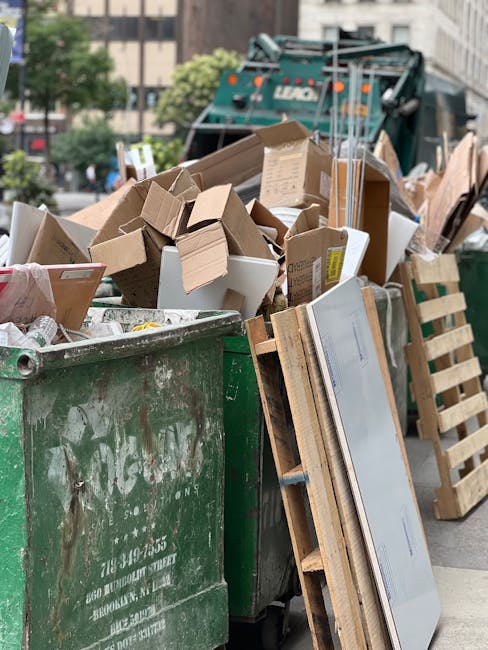
Most bulky waste problems are preventable. The trouble is that people only realise after the collection team has already turned up, or after they have spent an afternoon wrestling with a wardrobe that has no intention of leaving calmly.
- Not checking access properly. A lift that is too small or a staircase with a tight turn can change the whole collection plan.
- Assuming every item counts the same. Bulky does not always mean heavy, and weight alone does not tell the full story.
- Forgetting about mixed materials. Items with wood, metal, fabric, foam, and electrics may need different handling.
- Leaving the booking too late. If you need the space cleared before a move or delivery, do not leave it to the last minute.
- Choosing on price alone. Very cheap can be fine, but only if the scope is clear. If not, the "cheap" part can disappear quickly.
- Blocking shared areas. In flats, leaving large items in communal spaces before collection can cause issues with neighbours or building management.
One more thing: do not guess what is accepted. People sometimes assume an item is "just furniture" when it includes hidden electrical parts or hazardous components. If you are unsure, ask first. That small question can prevent a much bigger headache.
Tools, Resources and Recommendations
You do not need fancy tools to manage bulky rubbish collection, but a few simple things make the job easier.
- Tape measure: Useful for checking item size and whether it will fit through doorways or lifts.
- Phone camera: Helpful for taking photos to support an accurate quote.
- Marker labels: Handy if you are separating what stays and what goes.
- Basic screwdriver or hex key set: Useful for dismantling beds, shelving, or flat-pack furniture before removal.
- Protective gloves: Especially sensible if there are splinters, sharp edges, or dirty items.
- Bin bags and boxes: Good for small loose items that tend to spread out at the last minute.
As for recommendations, the best approach is usually simple: be specific, be honest about access, and compare the service with the actual task in front of you. A single bulky chair is not the same as a full flat-clearance. It sounds basic, but this is where many people either overspend or under-plan.
If your project is more category-specific, these can help you narrow things down: a real-cost guide for rubbish removal in N5 is useful for budget thinking, while rubbish collection around Highbury Grove and Highbury Barn may feel more locally relevant if you are in that part of the area.
Law, Compliance, Standards, or Best Practice
When bulky rubbish is collected in the UK, the broad principle is simple: waste should be handled safely, by a responsible operator, and taken to the right place for sorting, recovery, or disposal. You do not need to memorise regulation to make a good decision, but you should expect clear communication and proper handling.
A few best-practice points are worth keeping in mind. First, be cautious about who removes your waste. If a collection is not handled properly and it is later fly-tipped, the original owner can still face questions. That is why it is sensible to choose a provider that is transparent about where waste goes and how it is managed.
Second, special items may need extra care. Electrical goods, certain upholstered furniture, and items with contamination or sharp hazards can require different treatment. The exact rules can vary by item type and disposal route, so it is always better to ask than assume. Third, for shared buildings, keep an eye on lease or building-management rules about placing bulky items in common areas. Some blocks are strict, and for understandable reasons.
Good practice also means clarity on pricing and service scope. If a quote sounds vague, ask what is included, what access assumptions are being made, and whether there could be extra charges for difficult lifting or additional volume. That is not being awkward. That is just being sensible.
Options, Methods, or Comparison Table
There are usually a few ways to deal with bulky waste. The best one depends on how much you have, how heavy it is, and how urgent the job feels.
| Option | Best for | Pros | Trade-offs |
|---|---|---|---|
| DIY removal | Very small loads with easy access | Can be cheap if you already have transport | Heavy lifting, parking, time, and disposal complexity |
| Local bulky collection | Single items or modest household loads | Convenient, quick, and usually straightforward | Needs accurate item details and access info |
| Full clearance service | Multiple rooms or mixed waste | Best for bigger cleanouts and less stress | Usually higher overall cost than removing one item |
| Specialist furniture disposal | Sofas, beds, wardrobes, and similar items | Focused on the item type and handling needs | Less suitable for mixed rubbish or larger clear-outs |
For many Highbury residents, the decision comes down to effort versus convenience. A DIY run may seem cheaper on a quiet afternoon, but once you add transport, timing, lifting, and disposal, the savings can shrink fast. In a busy week, paying for a clean, quick collection often feels worth it.
Case Study or Real-World Example
A typical Highbury scenario goes like this. A couple moves out of a two-bedroom flat near a busy road and realises, two days before handover, that their old sofa, a broken bed base, and a heavy chest of drawers are not going to the new place. They have already arranged removals for the boxes and smaller furniture. The bulky items are the problem.
At first, they consider hiring a van themselves. Then they look at the stairs, notice the tight turn on the landing, and quietly abandon that plan. Sensible move, honestly. They send photos, explain access, and get a collection arranged. On the day, the team removes the items, clears the route, and the flat looks transformed by lunchtime. Nothing dramatic. Just a very normal life admin problem solved properly.
What made the difference was preparation. They knew what was going, what was staying, and where the awkward points were. There was no last-minute panic when someone asked, "Wait, is that also going?" That little bit of clarity saved time and avoided extra costs.
That sort of result is also why it helps to read related local guidance, such as a local's take on moving to Highbury or what makes Highbury feel so appealing day to day. The better you understand the area and the rhythm of life here, the easier it is to plan practical jobs without drama.
Practical Checklist
Use this quick checklist before your bulky rubbish collection. It keeps things calm and avoids the usual last-minute scramble.
- Identify every item that needs removing.
- Measure the largest pieces.
- Check stairs, lifts, entrances, and parking.
- Take clear photos from a few angles.
- Separate items that are staying.
- Decide whether any item needs dismantling first.
- Ask how mixed materials or electricals will be handled.
- Confirm what the quote includes.
- Make sure shared hallways stay clear.
- Arrange payment details in advance if needed.
- Keep children and pets away from the collection route.
- Do a final walkthrough after loading is complete.
If you are dealing with a bigger change at home, such as redoing a garden or emptying multiple rooms, it may be worth pairing this with other services. For example, garden clearance often fits alongside garden waste removal in Highbury, while a major declutter may call for a broader service overview comparison before you book.
Conclusion
What to know about bulky rubbish collection Highbury really comes down to three things: know what you have, know how it will be moved, and know what kind of service best matches the job. Once those pieces are clear, everything else gets easier. You save time, avoid surprise costs, and make a space feel usable again without the drama of trying to shift heavy items yourself.
Whether you are clearing one old sofa or sorting out a full room of unwanted furniture, the smartest approach is the same: be accurate, prepare the access, and choose a collection method that fits the reality of the job. Not the fantasy version where the wardrobe magically glides downstairs on its own. Wouldn't that be nice?
Get a free quote today and see how much you can save.
And if you are still deciding, take a breath, make the list, and start with the items that are taking up the most space. Once they are gone, the whole place usually feels lighter. That feeling is the good part.

 Tipper Van - Junk Removal and Waste Collection Prices in Highbury, N5
 Luton Van - Junk Removal and Waste Collection Prices in Highbury, N5


