Rubbish clearance near Emirates Stadium Highbury
Posted on 19/09/2026
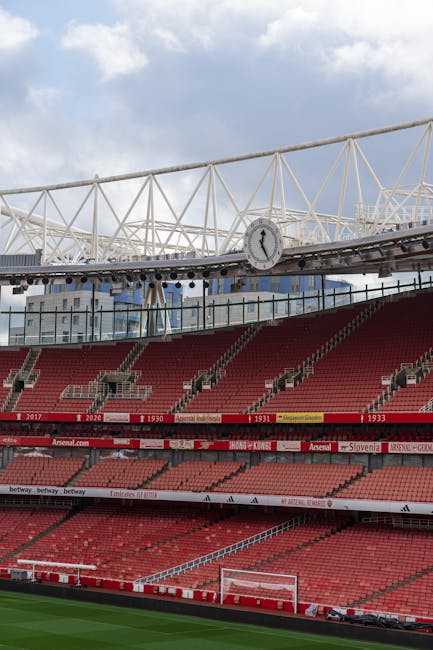
Rubbish clearance near Emirates Stadium Highbury: a practical local guide
If you are looking into rubbish clearance near Emirates Stadium Highbury, you are probably trying to solve a very ordinary but slightly annoying problem: too much stuff, not enough time, and nowhere sensible to put it. Maybe it is post-renovation waste, a flat clearance, a pile of packaging after a move, or the sort of mixed household junk that quietly builds up in a hallway until one day it feels impossible to ignore.
Near Emirates Stadium, space is tight, access can be awkward, and timing matters more than people expect. Add match-day traffic, shared entrances, and the usual London parking realities, and suddenly a simple clearance becomes a bit of a puzzle. The good news? With the right approach, it does not need to be stressful. This guide explains how rubbish clearance works locally, what to expect, what to avoid, and how to choose the most practical option for your situation.
Let's face it, nobody wakes up excited about waste removal. But getting it sorted properly can make a place feel calmer almost immediately.
In our experience, the difference between a smooth clearance and a frustrating one is usually not the amount of rubbish. It is planning. A little planning goes a long way.
Why Rubbish clearance near Emirates Stadium Highbury Matters
Rubbish clearance in this part of North London is not just about making things look tidy, although that is obviously part of it. Around Emirates Stadium and Highbury, the streets are busy, homes are often compact, and many properties have limited outside storage. A small accumulation of waste can quickly become a bigger issue than it would in a more spacious area.
There is also the local rhythm to think about. Match days can affect access. School runs, delivery vans, and commuter traffic can make simple lifting and loading harder than expected. If you have ever tried to move a bulky item through a narrow staircase while someone is waiting at the door, you will know exactly what I mean.
Good rubbish clearance matters because it helps you avoid:
- clutter taking over rooms, hallways, or gardens
- unsafe stacking of heavy or sharp items
- blocked access for tenants, tradespeople, or visitors
- missed council collections when waste is too bulky or mixed
- the hassle of hiring a van and dealing with loading yourself
For landlords, letting agents, homeowners, and local businesses, quick and tidy clearance also protects the presentation of the property. In a high-demand area, first impressions are not a small thing. They matter. A lot.
There is another side to it too: responsible disposal. Waste should be handled properly, sorted where possible, and taken to the right facilities. That keeps your job straightforward and helps avoid the awkward business of wondering where everything ended up.
How Rubbish clearance near Emirates Stadium Highbury Works
The process is usually more straightforward than people expect, though the details matter. A proper clearance service generally starts with assessing the type and volume of waste, then planning how to remove it safely and efficiently. If the job is small, it may be collected quickly. If it is large or access is tricky, the team may need to plan around parking, loading points, and timing.
Typical rubbish clearance follows this pattern:
- Initial assessment. You describe what needs removing, roughly how much there is, and whether anything is awkward, heavy, or hazardous.
- Quotation or estimate. A price is usually based on volume, labour, type of waste, and access conditions. You should always ask what is included.
- Arrival and loading. The team arrives with the right equipment and starts removing items from the agreed areas.
- Sorting where needed. Reusable items, recyclable materials, and general waste may be separated depending on the load.
- Transport and disposal. Waste is taken away for lawful disposal or processing.
- Final check. The cleared area is reviewed so nothing important gets left behind by accident.
The exact method can vary. A mixed flat clearance is not the same as a builders' waste job, and a small office clear-out is different again. That sounds obvious, but it is where many people underestimate the job. Different waste types behave differently. Bricks are not the same as office chairs. Packaging is not the same as old carpet. A bit of common sense goes a long way here.
For jobs with construction debris, it can be helpful to read about builders waste disposal in Highbury alongside your clearance plans, especially if the rubbish includes rubble, timber offcuts, plasterboard, or mixed renovation waste.
Key Benefits and Practical Advantages
There are plenty of reasons people choose professional rubbish clearance rather than trying to do everything themselves. Convenience is the obvious one, but there are some quieter benefits that are just as valuable.
1. Faster turnaround
If you need space cleared before an inspection, tenancy change, delivery, or event, speed matters. Clearing waste yourself can swallow an entire day, and that is before you factor in loading, driving, unloading, and the return trip. A trained team can often do in a single visit what would otherwise take you several trips.
2. Less physical strain
Heavy furniture, wet garden waste, broken boards, and bagged rubbish can be awkward and risky to move. One bad lift and your day is done. To be fair, backs do not care how motivated you feel.
3. Better use of space
A cleared room, basement, or storage area changes how a property feels straight away. People often underestimate how much unused stuff quietly eats into usable space. Once it is gone, you notice the difference almost immediately.
4. More sensible disposal
Responsible rubbish clearance is not just about taking things away. It is also about directing different materials to the right places when possible. That is better for the environment and often better for your peace of mind too.
5. Less disruption for neighbours and building users
In a dense area near the stadium, nobody wants piles of rubbish sitting around for longer than necessary. Good clearance keeps shared entrances, pavements, and internal corridors clear. That matters more than people think, especially in apartment blocks.
Expert summary: the best rubbish clearance service is not just quick. It is careful, well-organised, and realistic about access, loading, and disposal. That combination saves time and reduces stress, which is really the point.
Who This Is For and When It Makes Sense
Rubbish clearance near Emirates Stadium Highbury is useful for a wide range of people. The setting changes the practicalities a little, but the underlying need is the same: you have waste to remove, and you want it dealt with properly.
This tends to make sense for:
- Homeowners clearing clutter, old furniture, or items after a move
- Tenants who need to clear a property before moving out
- Landlords preparing a flat for new occupants
- Letting agents dealing with end-of-tenancy waste or urgent clear-outs
- Businesses removing office furniture, packaging, or unwanted stock
- Builders and tradespeople needing removal of renovation waste
- Garden owners with branches, soil, hedge trimmings, or seasonal green waste
It is especially sensible when:
- the waste is too bulky for normal bins
- you do not have access to a suitable vehicle
- the items are heavy or difficult to move safely
- you need the area cleared quickly
- you are dealing with mixed waste, not just one material type
- there is limited parking or access around the property
Sometimes people delay because they think the job is "not enough" for a clearance service. Truth be told, that is rarely a useful way to judge it. Even a half-room of clutter can be a complete nuisance if it is in the wrong place.
Step-by-Step Guidance
If you want the process to go smoothly, it helps to treat rubbish clearance like a short project rather than a last-minute panic. Here is a simple way to approach it.
- Sort what stays and what goes. Do a quick walk-through of the space. Separate essentials, donations, recyclables, and waste. This saves time later and reduces confusion on the day.
- Identify anything sensitive. Look for paperwork, valuables, medicines, electronics with data, or items that need special handling. People often forget the back of a drawer or a box at the bottom of a wardrobe. Easy mistake.
- Group the rubbish by type. Put furniture, bagged waste, garden material, and construction debris into obvious piles if you can. Clear grouping helps the team work faster and safer.
- Check access. Measure narrow halls, note stairs, and think about parking. In a busy area near the stadium, timing and loading access can make a real difference.
- Ask what is included. Confirm labour, loading, disposal, and any extra handling for awkward items. Clarity now prevents surprises later.
- Prepare the space. Move fragile items out of the way and keep pathways open. Even a small clear route can speed things up a lot.
- Be present if needed. If you can be on site, it often helps. You can answer questions, point out priorities, and make sure nothing important gets removed by mistake.
- Do a final check before departure. Look in corners, cupboards, and under tables. This is where small items hide. Every time.
A simple, calm approach works best. No drama required. Just a clear plan and a bit of honesty about what needs removing.
Expert Tips for Better Results
After enough clearances, a few patterns become obvious. The jobs that run best are usually the ones where the customer has thought through the practical bits first.
Be honest about volume
If you are unsure whether something is a single load or a bigger job, describe it in ordinary language. "Half a spare room," "a full shed," or "two sofas and a stack of bags" is often more useful than trying to estimate exact cubic metres. You do not need to sound like a surveyor.
Separate what can be reused
Anything still usable should be kept out of the waste pile where possible. That might include decent furniture, kitchenware, shelving, or unopened materials from a renovation. The clearer you are about this, the less likely useful items are to be thrown in by accident.
Plan around peak times
Near Emirates Stadium, timing is not a minor detail. If possible, avoid periods when traffic is heavier or local access is more constrained. A short morning window can be easier than late afternoon, depending on the street. Local conditions change quickly, so flexible planning helps.
Tell the team about awkward items
Old mattresses, broken mirrors, heavy cupboards, and soaked garden waste all behave differently when being moved. Mention them early. It sounds small, but it stops delays and reduces the chance of damage.
Keep a bit of breathing room
If the place is crammed edge to edge, even the best team will have to work harder. A narrow path through the room, stairwell, or corridor can make the job feel much easier for everyone involved.
Small note, but worth saying: the tidier the starting point, the smoother the finish. Funny how that works.

Common Mistakes to Avoid
Most clearance problems come from a handful of avoidable mistakes. You do not need to be perfect, just a bit prepared.
- Leaving sorting until the last minute. If everything is in one giant pile, the job slows down and you risk losing things you wanted to keep.
- Underestimating the amount of waste. A few bags can become a van-full surprisingly fast.
- Ignoring access problems. Tight stairs, no parking, or shared entrances can all affect timing and cost.
- Forgetting to check what cannot be taken. Some items need special handling, so it is better to ask first rather than assume.
- Choosing only on price. Cheap is not always cheap if the service is vague, rushed, or poorly organised.
- Not separating personal items. The most common "oops" moment is discovering something important has gone with the rubbish.
- Leaving the area dirty after clearance. If dust, screws, or broken bits are left behind, the job does not feel finished.
The biggest mistake is probably this: assuming all rubbish clearance is the same. It is not. A garden clearance, a flat clearance, and an office clearance each need slightly different thinking. That is where experience counts.
Tools, Resources and Recommendations
You do not need specialist kit for every small job, but a few simple tools and habits make the process smoother.
Useful items to have at home or on-site
- heavy-duty bin bags
- tape and marker pens for labelling
- gloves for sorting and lifting
- a torch for checking cupboards, lofts, or under units
- basic measuring tape for access checks
- a phone camera for recording items to be removed

Useful service pages on this site
If your clearance includes a specific type of waste, it can help to look at related services before deciding how to proceed. For example, you may find waste collection in Highbury useful for broader general waste needs, while house clearance in Highbury is often more suitable when the job involves an entire property or multiple rooms.
For business premises, office clearance in Highbury is worth considering if you are dealing with desks, chairs, filing cabinets, and workspace clutter. And if you are trying to remove bulky home items rather than mixed rubbish, furniture disposal in Highbury can be the more efficient route.
If you are comparing your options and trying to understand pricing, the site's pricing and quotes information can help set expectations before you book. It is often better to get that clear up front than to guess. Guessing is overrated.
For readers interested in how environmental handling fits into the process, the recycling and sustainability approach gives a useful sense of how waste can be managed more responsibly.
Law, Compliance, Standards, or Best Practice
Rubbish clearance in London should be handled with care and common sense. You do not need to be a legal expert to make sensible decisions, but there are a few best-practice points that matter.
First, waste should be disposed of through legitimate and traceable channels. If a clearance provider cannot explain how waste is handled, that is a red flag. You do not want your old sofa becoming somebody else's problem in the wrong place. Not worth the risk.
Second, certain items may need extra attention. Electronics, sharp materials, heavy items, and anything that could leak or create dust should be dealt with appropriately. If you have hazardous or unusual waste, ask in advance whether it can be accepted and what preparation is needed.
Third, access and safety matter. In shared residential buildings, corridors and entrances should be kept clear. In homes and business premises, trip hazards should be removed before lifting begins. Good clearance practice is not just about speed. It is about not making a mess of the process.
Finally, if you are using a service for a property sale, tenancy handover, or commercial premises, it is sensible to keep a record of what was removed and when. That sort of simple documentation can be surprisingly helpful later.
If you want to understand the wider business approach, the pages on about us, insurance and safety, and terms and conditions give useful background on how a professional service can be structured with safety and accountability in mind.
Options, Methods, or Comparison Table
There are a few ways people handle rubbish clearance. The best choice depends on time, access, budget, and how much lifting you want to do yourself.
| Method | Best for | Pros | Trade-offs |
|---|---|---|---|
| DIY trips to a disposal site | Small volumes, flexible schedules | Can suit very small clear-outs; you stay in full control | Time-consuming, physical effort, vehicle needed, parking and loading can be awkward |
| Skip hire | Longer projects, bulky waste, ongoing work | Good for repeated loading over several days; useful on renovation jobs | Requires space for placement, may need permits, loading is still on you |
| Professional rubbish clearance | Fast removals, awkward access, mixed items | Convenient, labour included, often much quicker for flats and tight streets | Cost depends on volume and access; you need to describe the job clearly |
For many properties near Emirates Stadium, professional clearance is the most practical option because it reduces the logistics burden. If you are in a flat with narrow stairs or limited parking, the convenience can outweigh the apparent savings of doing it yourself.
That said, if you are only moving a couple of light items, a simple self-managed approach might be enough. The right answer is not always the most expensive one. Nice and honest, that.
Case Study or Real-World Example
Imagine a two-bedroom flat near the stadium after a tenant move-out. There are three bags of mixed rubbish, a broken wardrobe, an old office chair, a few boxes of packaging, and some leftover bits from a shelf installation. Nothing dramatic. Just enough to feel messy and awkward.
The main issue is access. The building has a narrow stairwell, no lift, and parking on the street is limited. The resident also needs the flat ready quickly for viewings. A DIY trip would mean sorting the waste, carrying it down stairs, finding a vehicle, and making several journeys. That is easily a half-day gone, maybe more.
In a case like this, a local clearance team can usually make the job much simpler. The waste is assessed, the route is planned, the items are removed in one visit, and the flat is left ready for cleaning or redecoration. The key win is not just speed. It is reduced disruption.
A small detail often overlooked: if there are still useful items in the property, they should be set aside before the team arrives. A box of documents, spare lamps, or a decent side table can be mistaken for rubbish if it is all mixed together. That tiny bit of sorting can save an annoying mistake.
And yes, the relief afterward is real. The room feels different. Less cluttered, less heavy, more usable. People usually notice it the moment they walk back in.
Practical Checklist
Use this simple checklist before arranging rubbish clearance near Emirates Stadium Highbury:
- Identify exactly what needs removing
- Separate valuable or personal items first
- Check for heavy, sharp, or awkward objects
- Note stairs, narrow doors, and parking issues
- Estimate whether the job is small, medium, or large
- Decide whether anything can be reused or donated
- Ask what the service includes
- Confirm timing, especially if access may be busy
- Make sure paths are clear on the day
- Do a final room-by-room check before the team leaves
Quick reminder: if the waste includes garden cuttings, soil, or green material, you may want to compare it with garden waste removal in Highbury so you can choose the most suitable disposal route.
Conclusion
Rubbish clearance near Emirates Stadium Highbury is one of those jobs that looks simple until you are actually doing it. Then access, timing, volume, and disposal details all start to matter. The best outcome usually comes from a bit of planning, a clear idea of what needs to go, and a service approach that suits the property rather than forcing the property to suit the job.
Whether you are clearing a flat, refreshing a rental, removing office clutter, or dealing with renovation waste, the goal is the same: get the space back without creating more stress than necessary. That is completely achievable, even in a busy part of London.
Get a free quote today and see how much you can save.
If you are still deciding, start small. Walk the space, sort what matters, and get a clear view of the job. Once the clutter is gone, everything else tends to feel a bit easier. Funny how a clean room can do that.


