Islington Council rubbish rules Highbury homes
Posted on 10/10/2026
Islington Council rubbish rules for Highbury homes: a practical guide for residents
If you live in Highbury, rubbish rules can feel simple one day and oddly confusing the next. One week your bins are fine, the next you are staring at a missed collection, a sack of cardboard, or a bulky item that definitely will not fit neatly into a normal wheelie bin. This guide to Islington Council rubbish rules Highbury homes explains what matters, how the system generally works, and how to avoid the small mistakes that turn into bigger headaches.
We will keep it plain-English. No fluff. You will learn what to put out, what not to put out, how collection routines usually affect Highbury streets, and when it makes more sense to arrange a proper waste solution rather than hoping for the best. Truth be told, that last part saves a lot of hassle.
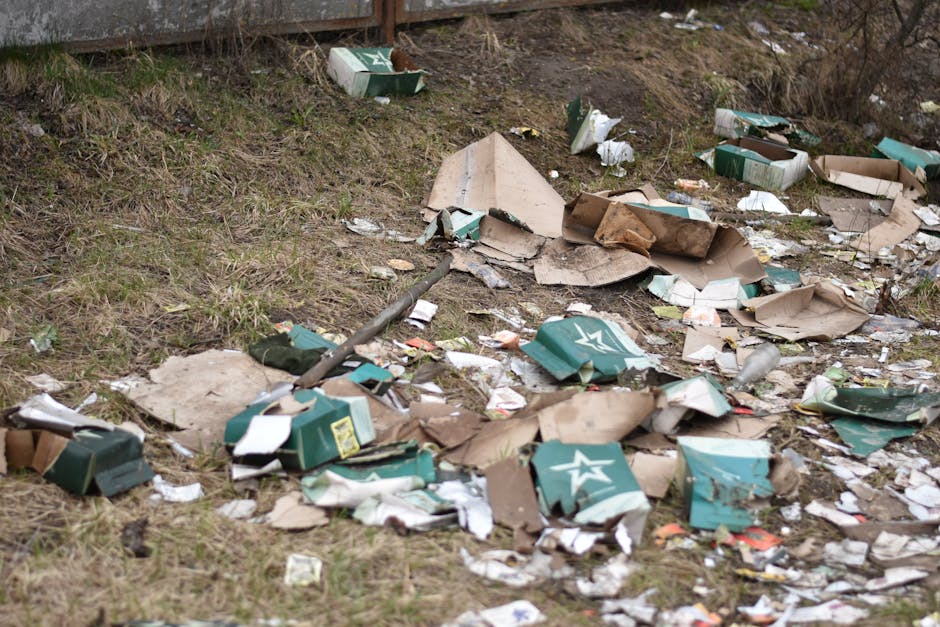
Why Islington Council rubbish rules Highbury homes matters
Rubbish rules matter because they affect everyday life. They affect whether your bins get collected, whether your pavement stays tidy, and whether your home feels under control or slightly chaotic. In a busy part of north London like Highbury, where many homes share narrow front paths, communal bin stores, or limited kerb space, small mistakes are noticed quickly.
There is also the neighbour factor. One overflowing bag or a badly placed item can block access, attract pests, or simply make a street look neglected. Nobody wants to be "that house" with the broken chair out front for three days. Let's face it, we have all seen it happen.
For homeowners, tenants, landlords, and anyone managing a move or clear-out, knowing the local approach to household rubbish, recycling, garden waste, and bulky items helps you make better decisions. It also helps you plan around collection days rather than reacting at the last minute. That's usually where the stress creeps in.
Highbury also has its own practical rhythm. Some streets are easy to access, others are awkward. Some properties have generous storage, others barely have room for a spare mop. If you are living in a flat or terrace, understanding the basics can save you time and reduce the risk of missed collections or avoidable mess.
How Islington Council rubbish rules Highbury homes works
The basic idea is straightforward: household waste should be separated, stored properly, and presented for collection in the correct containers or approved format. In practice, the details can vary depending on the type of property, the collection arrangement for your street, and whether you live in a house, converted flat, or block with shared bins.
Most households need to think about these main waste streams:
- Residual rubbish - general waste that cannot be recycled.
- Recycling - typically dry recyclable items such as paper, cardboard, plastics, glass, cans, and tins, depending on local guidance.
- Food waste - if your home is set up for separate food waste collection.
- Garden waste - relevant for homes with outdoor space, even if it is only a small strip at the back.
- Bulky items - furniture, white goods, mattresses, or other items that do not belong in regular bins.
- DIY or builders waste - which usually needs special handling and should not be dumped with normal household rubbish.
The key thing to remember is that local collection systems are designed around sorting. Mixing materials often creates extra problems. A pizza box with grease, a broken mirror thrown in with recycling, or a bin filled beyond its lid can all cause issues. Some are minor. Some are not.
For residents who want more support on wider waste management choices, the site's services overview and recycling and sustainability guidance are useful next reads.
What usually causes problems
The most common issues are boring, which is exactly why they get missed:
- bags left beside bins instead of inside the right container
- recycling contaminated with food or liquids
- bulky items abandoned on pavements without proper arrangement
- builders rubble mixed in with household waste
- moving-day clutter left until the very last night
None of that is glamorous. But it is where avoidable penalties, complaints, and extra costs tend to show up.
Key benefits and practical advantages
Following the rules is not only about compliance. It makes life easier. Simple as that.
First, it keeps your home cleaner. Waste cleared on time does not linger in hallways, kitchens, or front gardens. You notice the difference almost immediately, especially in warm weather when smells build faster than expected.
Second, it helps avoid missed collections or rejections. If bins are overfilled, contaminated, or left in the wrong place, they are more likely to be left behind. That creates a domino effect: more clutter, more frustration, more time spent sorting it out.
Third, it supports better recycling. A well-sorted bin stream keeps more material out of general waste. That is good practice, whether you are a sustainability-minded household or just trying to keep the kitchen tidy and the council happy.
Fourth, it is better for property presentation. If you are selling, renting, or even just having guests over, a neat waste setup quietly improves the feel of a home. You can read more about the local area and property context in this Highbury buying and selling guide and a local view on moving to Highbury.
Expert summary: In most Highbury homes, rubbish management works best when you treat it like a routine, not an afterthought. Sort early, store correctly, and deal with bulky waste before it starts competing with your living space.
Who this is for and when it makes sense
This guide is useful for a few different people, and they do not all have the same pain points.
- Homeowners who want to stay on top of household rubbish without creating a front-of-house mess.
- Tenants who need to understand what is expected in a flat or shared property.
- Landlords who want fewer complaints, cleaner turnovers, and less post-tenancy waste chaos.
- People moving in or out who suddenly discover they own three chairs, two lamps, and six bin bags too many.
- Families juggling food waste, recycling, school clutter, and the odd broken toy.
- Garden owners with seasonal cuttings, hedge trimmings, and bags that seem to multiply after one sunny weekend.
It also makes sense for anyone who is deciding whether to rely on standard council collection or arrange a private waste service. If you are clearing a house, refreshing furniture, or handling building debris, the normal bin setup will not always be enough. That is not a failure. It is just reality.
For those situations, practical support such as house clearance in Highbury, furniture disposal in Highbury, or builders waste disposal in Highbury can be a lot more sensible than trying to force everything into domestic bins. You know when something is not going to fit. Usually from ten metres away.
Step-by-step guidance
If you want a low-stress approach, use a simple sequence. No drama, no guesswork.
- Check what waste you actually have. Separate general rubbish, recyclables, food waste, garden waste, and anything bulky or hazardous.
- Remove anything that should not be mixed. Food from cardboard, liquids from containers, rubble from household bags, and so on.
- Use the correct container or storage point. If your property has bins, sacks, or a communal bin store, stick to the setup already in place.
- Keep bins accessible. Lids should close properly. Bags should not spill onto pavements or shared walkways.
- Present waste at the right time. Timing matters in busy streets. Early enough to collect, but not so early that rubbish sits around all day.
- Handle awkward items separately. Mattresses, sofas, white goods, and renovation debris generally need specific collection arrangements.
- Review what is building up. If you are repeatedly running out of room, your waste volume may simply be above what the household system is designed for.
That last step matters more than people think. If the same overflow keeps happening every week, the answer is not "try harder"; it is usually "change the method."
For occasional urgent clear-outs, a same-day solution can be helpful. If that is your situation, the guide on same-day rubbish collection in Highbury Fields is a useful place to start.
Expert tips for better results
After dealing with enough household waste situations, a few patterns show up again and again. Nothing fancy. Just practical habits that work.
1. Keep a small sorting station indoors
A couple of labelled bags or a compact caddy near the kitchen can stop recycling from getting mixed in with general rubbish. It sounds tiny, but in a small London home it makes a real difference. Especially on a wet Tuesday evening when nobody wants to start rummaging through bins.
2. Flatten cardboard early
Cardboard takes up far more room than it looks like it should. Flatten boxes when they come in, not after they have built up into a leaning tower beside the door. One less eyesore.
3. Deal with bulky items before they become a burden
Old furniture has a habit of becoming part of the scenery. You stop seeing it. Then suddenly a spare bed frame is living in the hallway and everyone is stepping around it. Booking a proper collection sooner usually costs less hassle than waiting until it is an emergency.
4. Think about access
Highbury homes can be awkward for removal crews if the stairwell is tight or parking is limited. If you are planning a larger waste collection, make access as easy as you can. Clear paths, open gates, and grouped items save time. Time matters.
5. Match the method to the waste type
Not all waste should go the same route. Garden cuttings, office clear-outs, furniture, and building debris each behave differently. A one-size-fits-all approach often creates more work later.
If you want a broader view of the area's practical side, the local articles on Highbury's everyday appeal and popular Highbury venues for parties and events are nice context, especially if your home life tends to revolve around entertaining, entertaining again, and then clearing up after it all.

Common mistakes to avoid
Most rubbish problems are not dramatic; they are just the result of small oversights piling up. Here are the ones worth avoiding.
- Overfilling bins. If the lid cannot close, you are asking for trouble.
- Using recycling as a general catch-all. Contamination is the fastest way to spoil a good recycling load.
- Leaving loose waste outside. Wind, rain, foxes, and passers-by all make that a bad idea.
- Dumping renovation debris with household rubbish. It is heavier, dirtier, and usually handled differently.
- Ignoring bulky waste until it blocks the home. Everyone thinks they will sort it "next weekend." Then it sits there for three more weeks.
- Assuming a shared bin store solves everything. Shared systems still need individual responsibility. Otherwise they become a mess very quickly.
Another subtle mistake? Not checking whether you actually have the right disposal route for the item in front of you. An old sofa is not a bag of kitchen rubbish. A hedge trimmer is not cardboard. Seems obvious, but people mix them up more often than you'd expect.
Tools, resources and recommendations
You do not need a load of complicated tools to manage household waste well. In most homes, a few simple things do the job.
- Labelled indoor bins or bags for sorting waste at the source.
- Fold-flat boxes or storage crates for recyclables and paper clutter.
- Heavy-duty bags for general rubbish that is not sharp or hazardous.
- A tape measure if you are checking whether a bulky item will fit through a stairwell or door.
- Gloves and basic cleaning supplies for sorting old storage areas or utility rooms.
From a service point of view, the most useful pages to explore next depend on your situation. If you need general collection help, look at waste collection in Highbury. If you are comparing options and timing, pricing and quotes will help you understand the commercial side more clearly. And if you want a sense of how the team works, the about us page adds useful background.
For residents concerned about trust and service standards, it is also sensible to review insurance and safety, payment and security, and the site's terms and conditions. Those pages help you check the basics before booking anything.
Law, compliance, standards and best practice
When rubbish rules come up, there are really three layers to think about: household responsibility, local collection expectations, and proper handling of waste that falls outside everyday domestic bins.
At a basic level, residents should avoid fly-tipping, keep shared spaces clear, and dispose of waste in the right stream. That sounds obvious, but it is the bedrock of compliance in a dense residential area. If a bag is left in the wrong place or a sofa is abandoned on a pavement, the issue is not just untidiness; it can become a nuisance, a safety concern, or a formal waste offence.
Best practice usually means:
- sorting waste before it leaves the property
- keeping recyclables clean and dry where possible
- using approved routes for bulky or awkward items
- not placing waste where it blocks pavements, entrances, or shared access
- choosing a waste carrier or removal service that handles items responsibly
For non-domestic or mixed-use situations, extra care is needed. Small offices, home businesses, and landlords dealing with end-of-tenancy clearances often generate waste that looks "household" but really is not. That is when the best approach is to slow down and classify the waste properly rather than guessing.
There is also a sustainability angle here. Good waste practice is not only about avoiding penalties. It is about reducing contamination, improving recycling outcomes, and keeping Highbury's streets pleasant to live on. That matters more than people admit, especially in a neighbourhood where outdoor space is precious.
Options, methods and comparison table
If you are deciding how to deal with rubbish in a Highbury home, the best method depends on volume, item type, timing, and access. A quick comparison can help.
| Method | Best for | Strengths | Limitations |
|---|---|---|---|
| Regular household collection | Everyday rubbish and recycling | Convenient, familiar, usually lowest effort | Limited capacity, not suitable for bulky or mixed clear-outs |
| Garden waste collection | Cuttings, leaves, light outdoor waste | Keeps outdoor waste separate and tidy | Not ideal for soil, rubble, or large branch loads |
| Bulky waste disposal | Sofas, chairs, mattresses, appliances | Handles awkward items properly | Needs planning and correct item preparation |
| House clearance service | Moves, bereavement clear-outs, full-home decluttering | Fast, structured, less manual effort for residents | Not necessary for very small waste volumes |
| Builders waste disposal | Renovations, repairs, strip-outs | More appropriate for heavy, mixed construction debris | Must be separated from domestic rubbish |
If you are only dealing with a few sacks, the standard household route may be enough. If you have a room full of old furniture or post-renovation mess, private removal often becomes the more realistic option. Not because it is fancy. Because it works.
For extra reading on cost and urgency, see this rubbish removal cost guide for N5. It is especially helpful if you are comparing options and trying to understand what drives price differences.
Case study or real-world example
Picture a typical Highbury flat after a long-overdue sort-out. The hallway has two flat-pack boxes, an old desk chair, a broken lamp, a bag of mixed recycling, and three black sacks that were "temporary" for nearly a week. The resident wants the place cleared before a family visit on Saturday. It is Thursday evening. Mild panic has entered the chat.
In that situation, the first mistake would be to drag everything downstairs and hope for the best. A better approach is to split the items:
- cardboard flattened for recycling
- general waste bagged separately
- the chair and lamp grouped for furniture disposal
- anything sharp, broken, or awkward wrapped safely before moving
If the volume is still too much for the building's bins, a scheduled collection makes more sense than fighting the stairwell. That is where organised support is useful. The outcome is cleaner, faster, and less embarrassing. And yes, the visitors arrive to a home that smells like home, not like old cardboard and dust.
We see this kind of thing all the time around spring clears, pre-move decluttering, and post-party clean-ups. In fact, the after-party scenario is more common than people expect. If you are hosting in the area, it can help to know the local event scene too, which is why some readers also browse Highbury's leading venues for parties and events before planning a gathering.
Practical checklist
Use this quick checklist before collection day or before you book a disposal service.
- Have I separated recycling from general waste?
- Are food residues removed from cardboard, packaging, and containers?
- Are bins not overfilled and lids able to close?
- Have I kept bags clear of walkways and entrances?
- Do I have any bulky items that need special handling?
- Have I identified whether any waste is from DIY, gardening, or office use?
- Do I know when the next normal collection is due?
- Have I checked the access route for any collection crew?
- Is there anything broken, sharp, or heavy that needs wrapping or separating?
- Do I need a same-day or next-day solution because the space is simply full?
If you can tick most of those boxes, you are in good shape. If not, that is fine too. Better to sort it now than on the kerb at 7 a.m. in the rain.
Get a free quote today and see how much you can save.
Conclusion
Understanding Islington Council rubbish rules for Highbury homes is mostly about making everyday life smoother. Separate waste properly, respect collection routines, and treat bulky or mixed rubbish as a separate job rather than an extra bag you will "deal with later." That one habit alone solves a surprising number of problems.
If your household waste is becoming hard to manage, the answer is usually not to squeeze more into the same bin. It is to choose the right method for the right type of waste. Sometimes that means better sorting. Sometimes it means a proper clearance. Sometimes, honestly, it means admitting the spare room has become storage and taking action.
Highbury is a great place to live when the practical side of home care stays under control. Keep things tidy, stay organised, and the rest gets easier. A little effort now saves a lot of mess later - and that feels good, doesn't it?

 Tipper Van - Junk Removal and Waste Collection Prices in Highbury, N5
 Luton Van - Junk Removal and Waste Collection Prices in Highbury, N5


